Tesla Robotaxi Expansion: Why Dallas and Houston Mark the End of the ‘Pilot Program’ Era
Tesla Robotaxi Expansion: Why Dallas and Houston Mark the End of the ‘Pilot Program’ Era
What if the future of transportation isn’t being built in San Francisco or Shenzhen, but in Dallas traffic?
Tesla’s robotaxi expansion into Dallas and Houston marks a decisive shift from pilot testing to scalable deployment, representing the company’s most aggressive push yet into commercialized autonomous mobility. This isn’t just another incremental software update—it’s a geographic tripling of Tesla’s operational footprint in Texas and a direct challenge to Alphabet’s Waymo, which has dominated the US robotaxi landscape since 2020.
From Austin to the Metroplex: Scaling Beyond the Pilot Phase
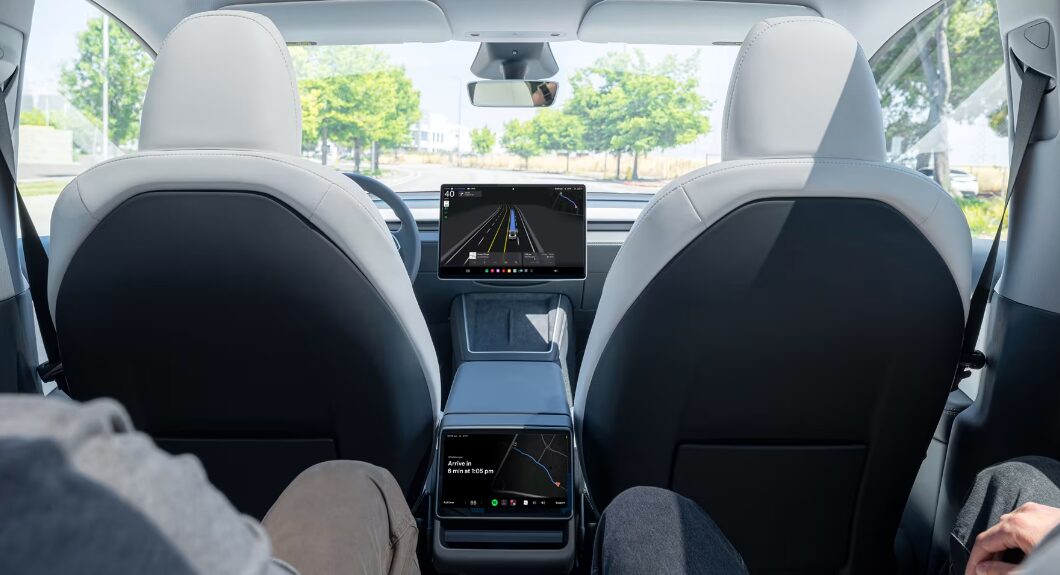
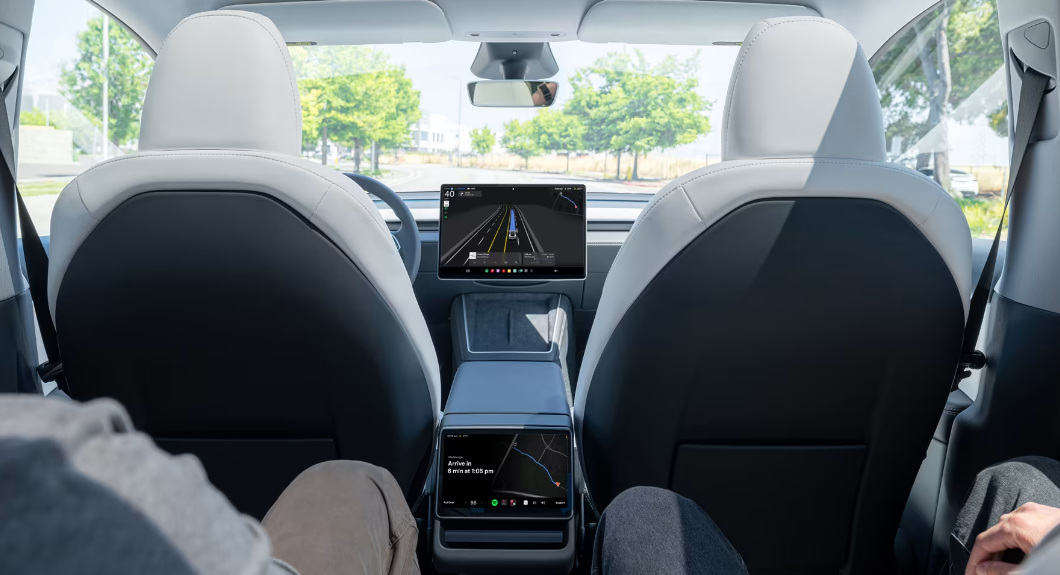
Tesla’s initial robotaxi deployment in Austin last year was deliberately cautious: limited geofences, human safety operators onboard, and restricted operating hours. The Dallas and Houston expansion tells a different story. According to the company’s official X account posts, Model Y vehicles are now navigating these major metropolitan areas without safety drivers—representing a technical leap from ‘supervised testing’ to ‘unsupervised commercial service.’
- Operational Scope: Service maps released show coverage across both metro areas, significantly larger than Austin’s initial footprint
- Vehicle Platform: Standard Model Y SUVs utilizing Tesla’s camera-based Full Self-Driving (FSD) stack, eschewing the LiDAR sensors favored by competitors
- Leadership Signal: Elon Musk’s personal amplification of the launch underscores the strategic priority of this business unit
The Global Context: Why Texas Matters for Western Markets
While Western media fixates on Tesla’s domestic competition with Waymo and Amazon’s Zoox, the broader autonomous vehicle race has already gone global. Chinese tech giants like Baidu (Apollo Go), Pony.ai, and WeRide are operating fully driverless fleets in Beijing, Guangzhou, and Wuhan—often at scale that dwarfs current US deployments. See our analysis on how Chinese AV companies are outpacing Western rivals in global expansion.
Tesla’s Texas expansion represents a critical inflection point: the first time a major Western automaker has attempted unsupervised robotaxi operations across multiple major cities simultaneously. For investors, this signals Tesla’s confidence in its pure-vision approach—a high-stakes validation of the company’s $1.3 trillion valuation, which increasingly rests on AI and robotics rather than vehicle sales.
Competitive Dynamics: The Camera vs. LiDAR War Heats Up
Waymo currently operates approximately 700 driverless vehicles across San Francisco, Phoenix, Los Angeles, and Austin, logging millions of paid miles. However, Waymo’s dependency on expensive LiDAR hardware creates a scalability bottleneck that Tesla aims to exploit.
Tesla’s strategy relies on software-deployable autonomy to its existing fleet of millions of vehicles. If the Dallas and Houston deployments demonstrate safety parity with Waymo at a fraction of the hardware cost, Tesla could potentially activate robotaxi capabilities across its global installed base overnight—a scalability advantage no competitor can match. According to Reuters, this software-first approach is why institutional investors are recalibrating Tesla’s valuation models toward recurring service revenue.
Regulatory Arbitrage and Risk Factors
Texas’s relatively permissive autonomous vehicle regulations have made it a testing ground for the industry. However, the absence of federal AV standards creates fragmentation risk. While Tesla benefits from Texas’s light-touch approach, incidents in these high-profile deployments could trigger reactive regulation that stifles the entire sector.
Investment Implications: From Hardware to Mobility-as-a-Service
For Western investors and automotive stakeholders, Tesla’s robotaxi expansion forces a fundamental reassessment of auto industry business models:
- Revenue Mix Shift: Tesla is pivoting from one-time vehicle sales to high-margin, recurring mobility services—a model already proving successful in China where Baidu’s Apollo Go achieved unit economics profitability in Wuhan
- OEM Existential Threat: Legacy automakers without viable robotaxi strategies risk commoditization to fleet operators, mirroring the fate of PC manufacturers in the cloud computing era
- Valuation Disconnect: Traditional automotive multiples don’t account for software scalability. Tesla’s Texas rollout provides empirical data to justify (or challenge) its tech-style valuation premium
As Bloomberg reported, Musk’s missed deadlines for robotaxi deployment have eroded credibility, making the Dallas/Houston launch a crucial credibility restoration event.
The China Variable: A Two-Front War
Chinese EV and AV companies aren’t waiting for US market entry to scale. XPeng, Huawei, and Momenta are deploying advanced autonomous systems in domestic markets with regulatory support that often outpaces American caution. Tesla’s Texas expansion may be defensive as much as offensive—establishing operational dominance before Chinese competitors export their proven robotaxi models to Western markets.
The Texas deployment also serves as a counter-narrative to Tesla’s declining market share in China, where local brands like BYD and NIO are deploying subscription-based autonomous features at price points Tesla cannot match.
Conclusion: The Real Test Begins Now
Tesla’s Dallas and Houston robotaxi launch marks the transition from autonomous vehicle potential to autonomous vehicle business reality. For Western investors, the metric to watch isn’t just miles driven—it’s utilization rates, accident frequency compared to human drivers, and Tesla’s ability to scale this service profitably without the LiDAR hardware subsidies that prop up competitors.
If Tesla proves unsupervised autonomy works in the chaotic traffic conditions of Houston’s I-610 Loop and Dallas’s High Five Interchange, the implications extend far beyond Texas. It means robotaxi services are ready for prime time—and the global automotive industry is about to undergo its most radical transformation since the assembly line.