TIER IV’s New MP Camera Series: A Game-Changer for Commercial L4 Autonomous Fleets

Can a New Camera Series Unlock Scalable L4 Autonomy for Commercial Fleets?
As Western autonomous vehicle operators struggle with high hardware costs and integration complexity, Japanese open-source pioneer TIER IV has unveiled the MP series of automotive-grade cameras specifically optimized for Level 4 (L4) autonomous driving. This move signals a strategic shift toward scalable, production-ready perception hardware for commercial fleets—from robotaxis to autonomous logistics vehicles.
What Makes the MP Camera Series Different?
TIER IV’s MP series is not just another camera. It is designed from the ground up to meet the rigorous demands of unmanned commercial operations. Key features include:
- L4-Optimized Performance: Proprietary image optimization and flexible camera control deliver high-fidelity visual data necessary for safe driverless operation.
- Autoware Compatibility: Seamless integration with the popular open-source Autoware stack reduces development time for system integrators.
- Scalable Production: Built by automotive-grade manufacturing partners with proven quality control, ensuring stable supply for volume deployments.
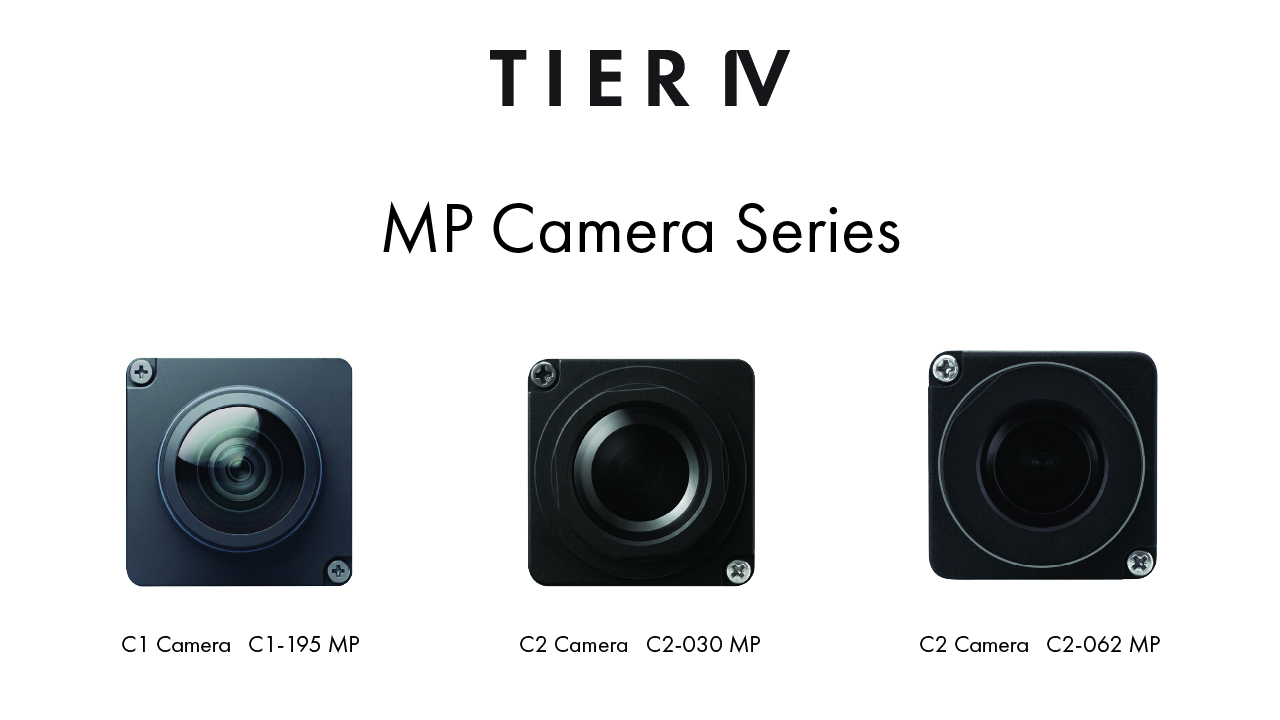
The initial lineup includes three models: C1 (C1-195 MP), C2 (C2-030 MP), and C2 (C2-062 MP), with more variants planned. This modular approach allows fleet operators to choose the right sensor configuration for their specific application—be it a delivery van, a construction vehicle, or a shuttle bus.
Why This Matters for Western Autonomous Fleet Operators
For Western companies investing in autonomous fleets—such as Waymo, Cruise, or Amazon’s Zoox—the MP series addresses a critical pain point: the lack of affordable, automotive-grade cameras that can be sourced at scale. According to a recent Reuters analysis, the autonomous vehicle sensor market is expected to grow to $30 billion by 2030, but high component costs remain a barrier. TIER IV’s move to partner with established automotive suppliers (including ADLINK, Connect Tech, and Neousys) directly tackles this issue.
Moreover, the deep integration with Autoware—an open-source platform gaining traction globally—means that developers can adopt the MP cameras without rewriting their perception stacks. This could significantly lower the total cost of ownership for fleet operators transitioning from pilot projects to commercial deployments.
However, a Bloomberg report from last week notes that supply chain constraints for specialized image sensors could still pose a risk. TIER IV’s reliance on ‘hard-to-source’ components in earlier cameras suggests that the MP series must overcome similar hurdles to achieve true volume production.
Strategic Implications for Western Investors and OEMs
For Western investors and Tier 1 suppliers, this development signals that the race for L4 autonomy hardware is shifting from ‘proof-of-concept’ to ‘production-ready.’ TIER IV’s open-source strategy could democratize access to high-performance perception systems, potentially disrupting traditional suppliers like Mobileye or Bosch that rely on proprietary hardware-software bundles.
As Chinese and Japanese players accelerate their hardware offerings, Western OEMs must either partner with open-source ecosystems or risk falling behind in cost-effective autonomy. The MP series is a clear example of how Asian innovators are turning the China-speed ethos into tangible products for global markets.
See our analysis on How Autoware’s Open-Source Ecosystem Is Reshaping Autonomous Vehicle Development.