European EV Sales Surge 43% as Middle East Conflict Drives Gas Prices to 2022 Highs

How Geopolitical Turmoil Is Accelerating Europe’s Electric Vehicle Transition
As Middle East tensions push European gasoline prices back to levels not seen since the 2022 Russia-Ukraine crisis, a powerful shift is underway: European EV sales surged 43% in March and 37% in April 2026, according to Jefferies data. For Western investors and auto industry strategists, this is not just a blip—it’s a structural pivot driven by energy economics.
The Cost Advantage: Home Charging vs. Gasoline
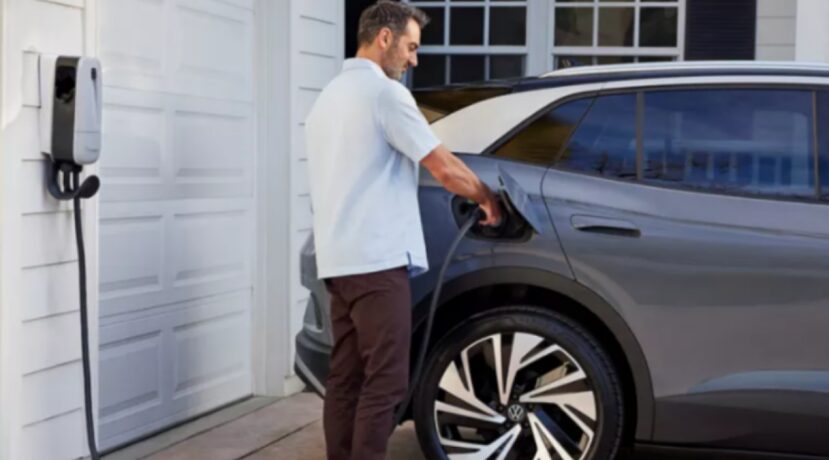
Jefferies data reveals that home charging an EV costs 53% less per 100 km than refueling a comparable gasoline car: €6.50 ($7.65) vs. €13.25 ($15.60). This gap has widened dramatically as gas prices climbed 19% in the first four months of 2026, while electricity costs remained stable. Allianz estimates this energy cost differential boosts household purchasing power by 4-5% in high-inflation Western Europe, a significant driver of consumer switching behavior.
Public Fast Charging Reaches Parity
A critical milestone has been reached: high-speed public fast charging now costs the same per 100 km as gasoline (approximately €13.25). Previously, fast charging was €2 more expensive. This removes a key barrier for long-distance drivers and signals a tipping point for mass adoption.
Sales Data: A Regional Breakdown
Jefferies tracked 16 core markets covering 95% of European auto sales. Key April 2026 year-over-year gains:
- United Kingdom: +59%
- Germany: +41%
- France: +28%
- Italy: Strong growth from a low 7% EV penetration base.
Average EV penetration across these markets now stands at 22%, but varies widely: Norway leads at 97%, while Italy, Poland, and Spain lag at 7-9%. This divergence highlights where the next wave of growth will come from.
Strategic Implications for Western Stakeholders
This data confirms a pattern seen in previous oil shocks: sustained high fuel prices structurally shift consumer preference toward EVs. For investors, this means accelerated demand for European EV supply chains—battery makers, charging infrastructure firms, and OEMs with strong EV lineups (e.g., Volkswagen) stand to benefit. Conversely, Tier 1 suppliers heavily reliant on internal combustion engine (ICE) components face increased risk.
For a deeper dive into how Chinese OEMs are positioning for this shift, see our analysis on Chinese EV Export Strategy in Europe.
“Gas price shocks are historically the most powerful catalyst for EV adoption in Europe,” notes an Allianz analyst. The current conflict-driven surge may prove to be the accelerator that pushes lagging markets like Italy and Spain into the mainstream.
Western auto executives should monitor this trend closely: if gas prices remain elevated through 2026, European EV penetration could exceed 30% by year-end, reshaping competitive dynamics overnight.