CATL Battery Swapping Strategy: Why China is Doubling Down While the West Abandons It
CATL Battery Swapping Strategy: Why China is Doubling Down While the West Abandons It
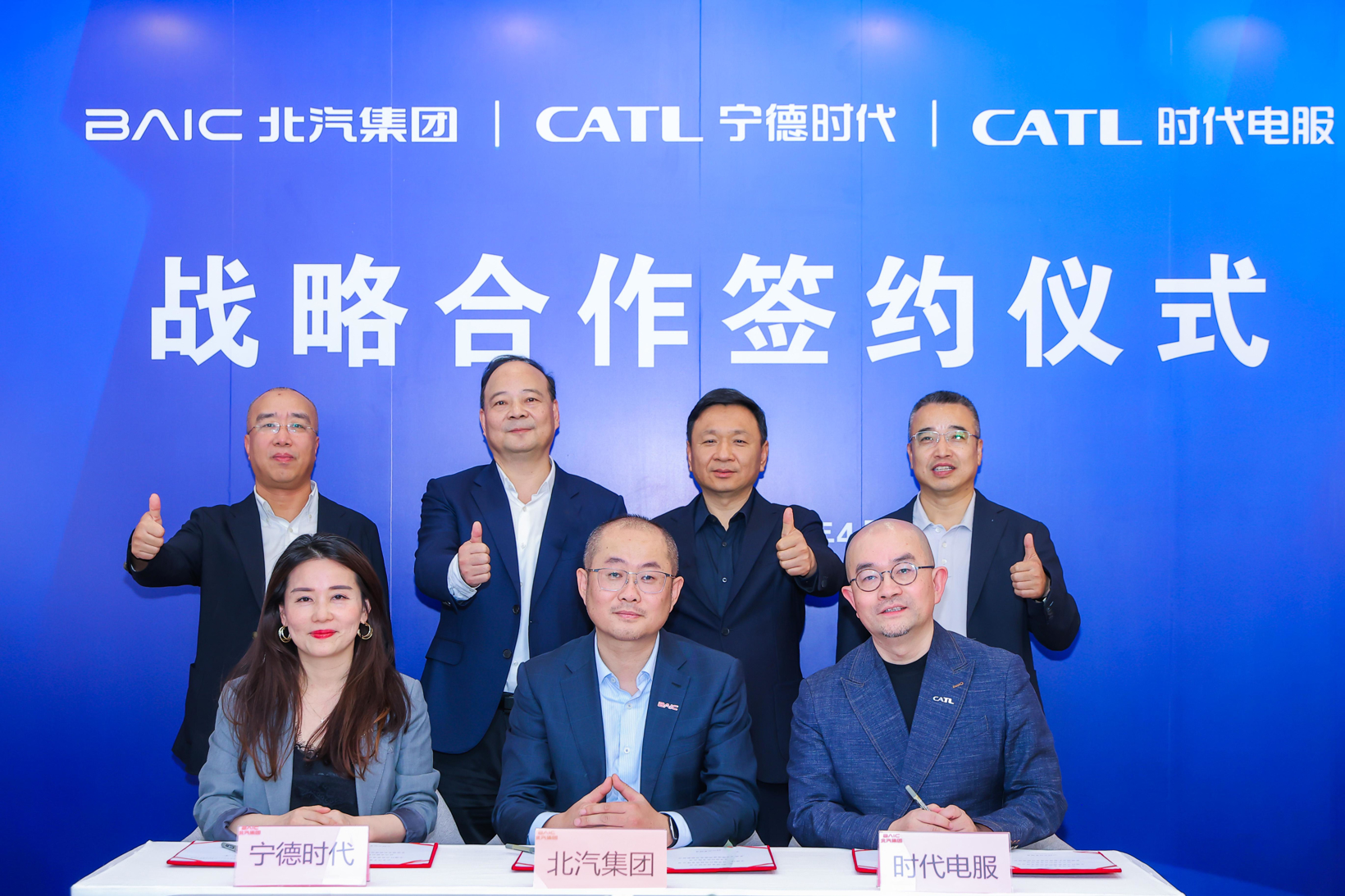
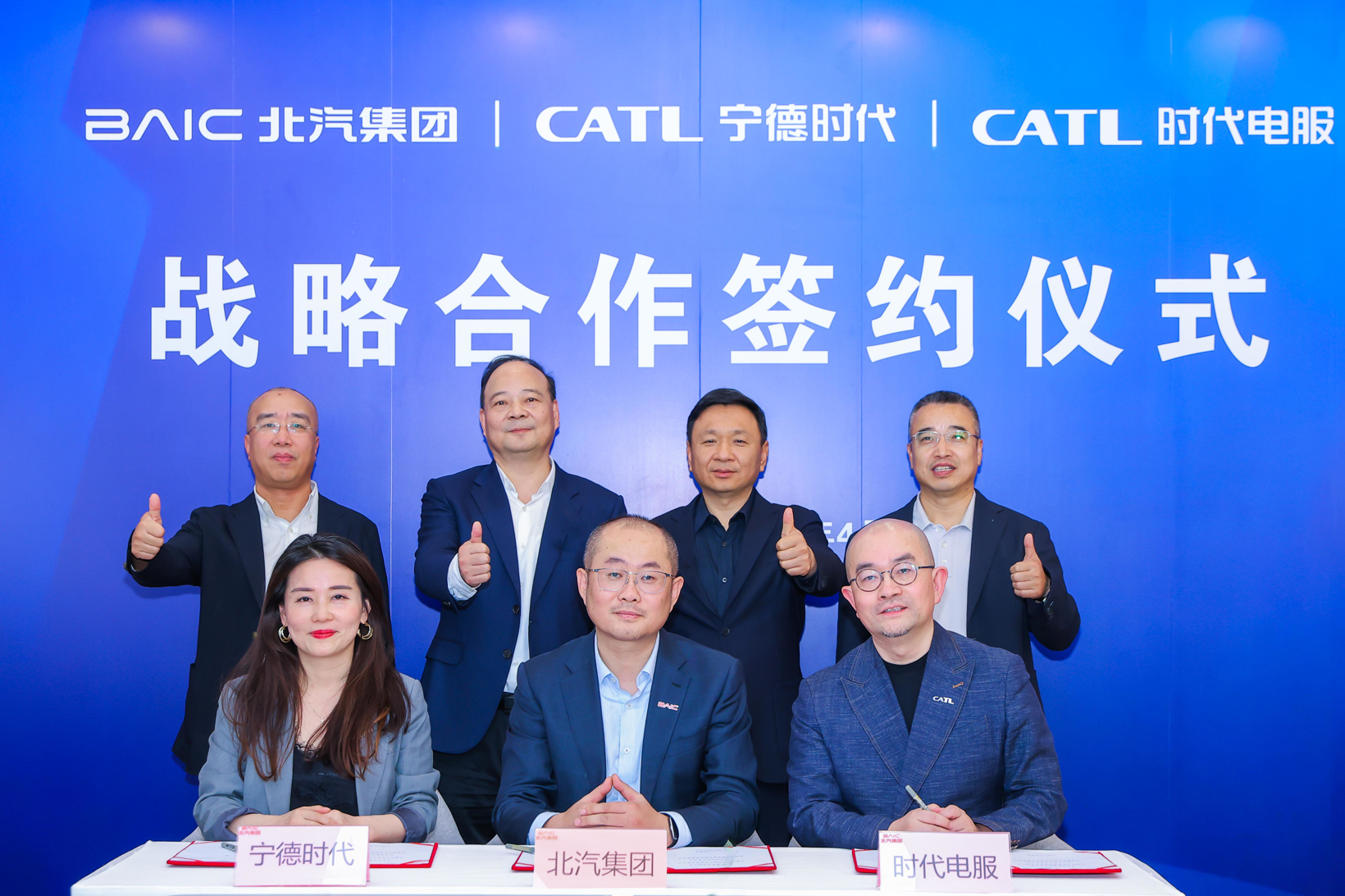
What if the future of electric vehicles is not faster charging, but no charging at all? While Western automakers bet everything on ultra-fast charging networks, China’s dominant battery giant is executing a CATL battery swapping strategy that validates a technology most American and European executives dismissed years ago. On April 25, Beijing Automotive Group (BAIC) signed a comprehensive strategic partnership with CATL and its subsidiary Times Electric Service to massively expand ‘Chocolate’ battery swapping infrastructure across BAIC’s Arcfox lineup and Beijing brand vehicles.
The BAIC Alliance: Standardizing the ‘Chocolate’ Format
The partnership marks a critical expansion of CATL’s Choco-Swap (巧克力换电) ecosystem, moving beyond pilot programs into mass-market deployment. Unlike Tesla’s abandoned swapping experiment from 2013, CATL’s approach utilizes standardized, modular battery blocks designed to fit multiple vehicle platforms across different manufacturers.
This collaboration specifically targets BAIC’s premium Arcfox division alongside its mainstream Beijing brand, indicating a strategic push to make swapping technology accessible across market segments.
Vehicle Rollout Strategy
- Arcfox S3: The existing baseline model already equipped with swapping capability
- 2024-2025 Expansion: Arcfox T5, S5, T6, and S6 SUVs and sedans will receive swapping-compatible architectures
- Beijing Brand Integration: Entry into BAIC’s volume passenger vehicle line signals mainstream adoption
Super-Swapping: The Hybrid Energy Model
Perhaps most intriguing for Western infrastructure investors is the agreement’s emphasis on ‘super-swapping’ (超换一体) — an integrated ecosystem combining ultra-fast charging and battery swapping at single locations. Rather than treating these as competing technologies, CATL and BAIC are constructing a flexible grid-stabilization network where batteries serve as stationary energy storage when not in vehicles.
This dual-use approach addresses China’s renewable energy intermittency challenges while providing consumers with sub-three-minute energy replenishment. See our analysis on how NIO’s Battery-as-a-Service model compares to CATL’s open swapping standard.
Why Western Investors Should Care
While US and EU markets focus exclusively on 800V architectures and megawatt charging, China’s pivot to swapping creates a divergent technological trajectory with three major implications for Western stakeholders:
Asset-Light Economics
Battery swapping enables true Battery-as-a-Service (BaaS), decoupling battery ownership from vehicle purchase. This reduces EV entry prices by approximately 30%, addressing the primary adoption barrier in developing markets and potentially disrupting Western pricing strategies.
Grid Stabilization Infrastructure
Swapping stations function as distributed energy storage systems, absorbing renewable generation during peak production and stabilizing local grids. As China adds renewable capacity faster than transmission infrastructure can accommodate, these distributed storage nodes become critical grid assets rather than mere fueling stations.
The Standardization Threat
CATL’s Chocolate standard aims to succeed where Better Place failed by creating an open platform multiple automakers can adopt. If China’s state-backed manufacturers standardize around CATL’s swapping format, Western firms optimized solely for plug-in charging may face compatibility barriers in the world’s largest EV market.
Market Context and Strategic Implications
Recent analysis from Reuters indicates CATL is aggressively lobbying for swapping inclusion in China’s national new energy vehicle infrastructure standards. Meanwhile, Bloomberg reports that while NIO pioneered consumer-facing swapping, CATL’s partnership with state-owned BAIC signals governmental support for infrastructure standardization over proprietary systems.
The strategic divergence is stark: Western markets view swapping as a technological dead-end superseded by fast charging, while China treats it as essential grid infrastructure complementary to charging. As BAIC prepares to launch six swapping-capable models utilizing the Chocolate standard, the infrastructure gap between Western and Chinese EV ecosystems widens.
The Bottom Line for Western Markets
For Western automakers and Tier 1 suppliers, the BAIC-CATL partnership represents more than a regional alliance—it is a warning that the era of universal charging dominance is not guaranteed. If CATL successfully establishes its swapping standard across China’s state-owned automotive sector, Western firms may find themselves optimized for an infrastructure paradigm that never achieves global dominance.
The question is no longer whether battery swapping works technically, but whether Western manufacturers can afford to ignore an infrastructure model that solves grid storage, depreciation anxiety, and charging speed simultaneously.