China’s EV Market Surge: How Foreign and Domestic Brands Are Reshaping the Future
China’s EV Market Surge: How Foreign and Domestic Brands Are Reshaping the Future
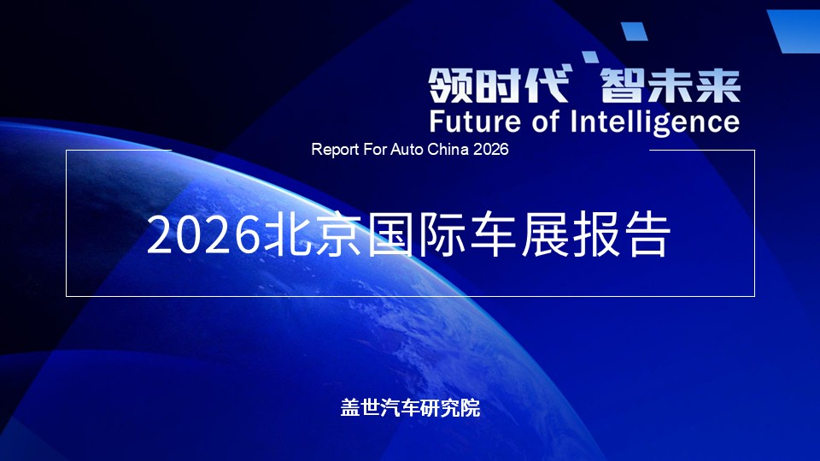
Is China’s new L2 ADAS standard about to wipe out Western Tier 1 suppliers? The 2026 Beijing Auto Show, themed ‘Leading the Era, Intelligent Future,’ is set to be a pivotal event in the global automotive industry. With over 2,000 companies from 21 countries and regions participating, the show will highlight the rapid advancements in electric and autonomous vehicle (EV) technology.
Key Trends in the Chinese EV Market
The Chinese EV market is experiencing a significant surge, driven by both foreign and domestic brands. This trend is not just about the number of vehicles but also the strategic shifts that are reshaping the future of the automotive industry. Let’s dive into the key trends and what they mean for Western investors and car buyers.
Foreign Brands Go All-In on Localization
- Volkswagen Group: Volkswagen is launching its largest-ever new energy vehicle (NEV) offensive, focusing on electronic and electrical architecture, AI, and localized R&D. Their strategy, ‘In China, For China,’ is now moving from rhetoric to reality. Through their joint ventures with FAW-Volkswagen, SAIC-Volkswagen, and Volkswagen Anhui, they aim to create a comprehensive and differentiated product portfolio, making China a global innovation and decision-making center.
- Luxury German Brands: BMW, Mercedes-Benz, and Audi are leading the charge with new electric models like the BMW New Class, the all-electric GLC, and the Audi E7X. These brands are shifting their R&D, product definition, and procurement authority to local Chinese teams, positioning their Chinese R&D centers as potential global technology hubs.
- Other Foreign Brands: Companies like Dongfeng Nissan, Peugeot Citroën, and Hyundai are also adopting a ‘In China, For China, To the World’ strategy, bringing localized smart electric solutions to the Chinese market.
Domestic Brands Redefine Luxury
- Systematic Breakthroughs: Chinese brands are breaking away from traditional luxury norms, blending Eastern aesthetics with advanced technology. For example, the Zunjie S800 has surpassed the combined sales of Porsche Panamera, Mercedes-Maybach, and Mercedes S-Class in recent months.
- Flagship Models: NIO, Li Auto, and Aito are leading the way in the 50+ million yuan flagship luxury segment, challenging and surpassing European and American brands. Additionally, companies like BYD and Xiaomi are venturing into the supercar market.
Competitive Landscape: SUVs and Beyond
The SUV segment is becoming the most competitive, with over 50 new models set to debut. Prices range from 200,000 to 600,000 yuan, and the market is expected to shift from growth to consolidation. Key players include NIO ES9, Li Auto L9 Livis, XPeng GX, SAIC Volkswagen ID. ERA 9X, and Mercedes-Benz GLC.
Technological Advancements
In the realm of EV technology, rapid charging is becoming more prevalent. Companies like BYD, CATL, and SVOLT are introducing next-generation battery technologies that promise faster charging times and longer ranges. These innovations are crucial for the widespread adoption of EVs and the transition to a more sustainable future.
ADAS and Autonomous Driving
Advanced Driver Assistance Systems (ADAS) and autonomous driving technologies are at the forefront of the Chinese EV market. The integration of AI and advanced sensors is transforming the driving experience, making vehicles safer and more efficient. This trend is particularly important for Western investors and car buyers, as it signals a shift towards more intelligent and connected vehicles.
For more insights on the global EV market, see our analysis on Global EV Market Analysis.