Indonesia EV Sales Decline 14%: Warning Sign for Chinese Export Strategies?
Indonesia EV Sales Decline: Is Southeast Asia’s Electric Vehicle Boom Cooling?
Did Indonesia’s electric vehicle miracle just hit a logistical wall—or something worse? March 2026 wholesale data from the Association of Indonesia Automotive Industries (Gaikindo) reveals a startling 14.15% month-over-month plunge in EV deliveries, dropping volumes to 10,572 units from February’s 12,314. While the Eid al-Fitr (Lebaran) holiday explains reduced factory output, beneath the surface lies a more troubling narrative for Western investors tracking Chinese EV export strategies: the dramatic collapse of BYD’s previously dominant Atto 3 sales and rising competition from locally assembled rivals like Chery’s Jaecoo.
The March 2026 Data: Seasonality or Saturation?
According to Gaikindo Chairman Jongkie D. Sugiarto, the March contraction primarily reflects calendar effects—the extended Lebaran holiday period drastically reduced working days for factories and logistics networks. However, context matters. Despite the monthly drop, first-quarter 2026 cumulative sales reached 33,150 units, representing a robust 95.9% year-over-year surge against Q1 2025.
Yet aggregate figures mask critical portfolio rotations. As Bloomberg’s analysis of Southeast Asian EV penetration suggests, markets experiencing such rapid early adoption often face volatile correction phases as consumer preferences mature beyond initial entry-level offerings.
Model-Specific Breakdown: Winners and Casualties
- Jaecoo J5 (Chery): Maintained leadership with 2,959 units, demonstrating resilience against holiday headwinds and validating local assembly (CKD) strategies
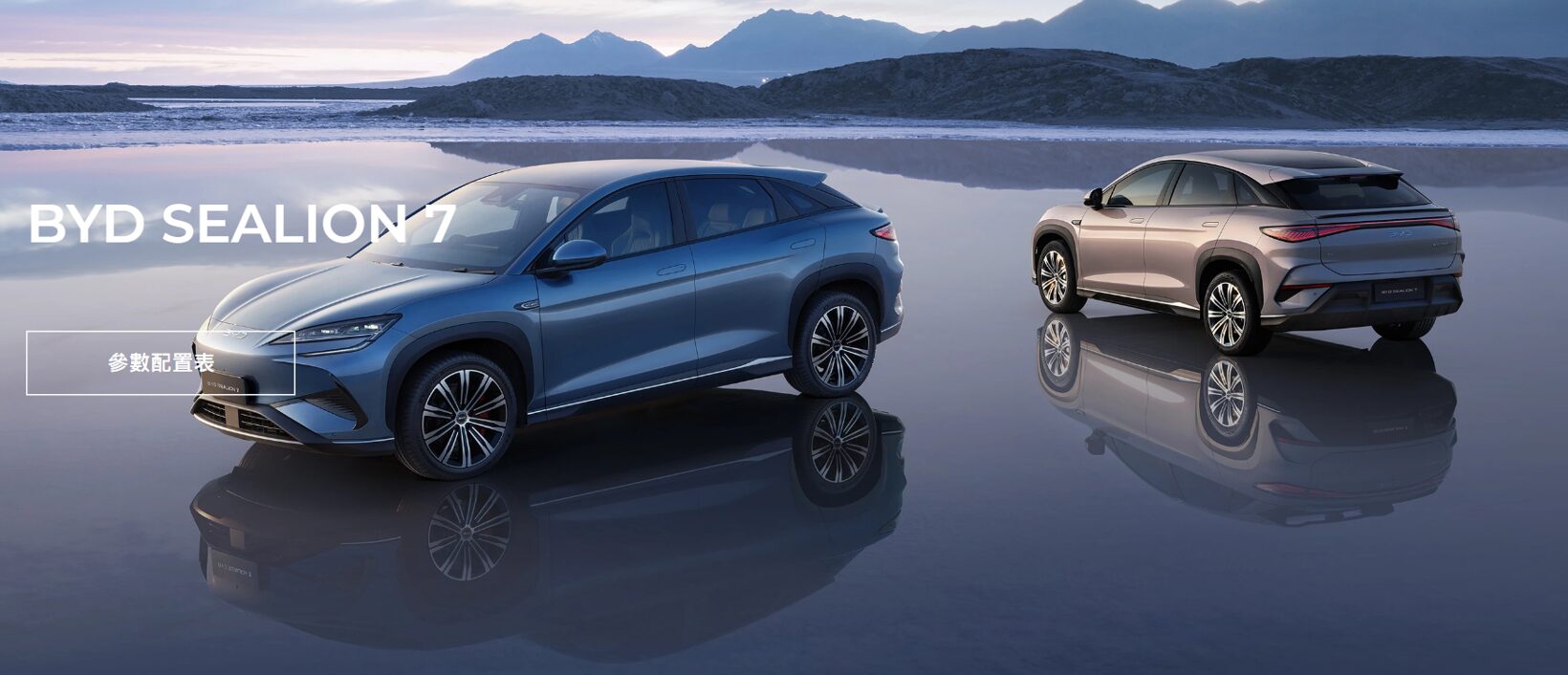
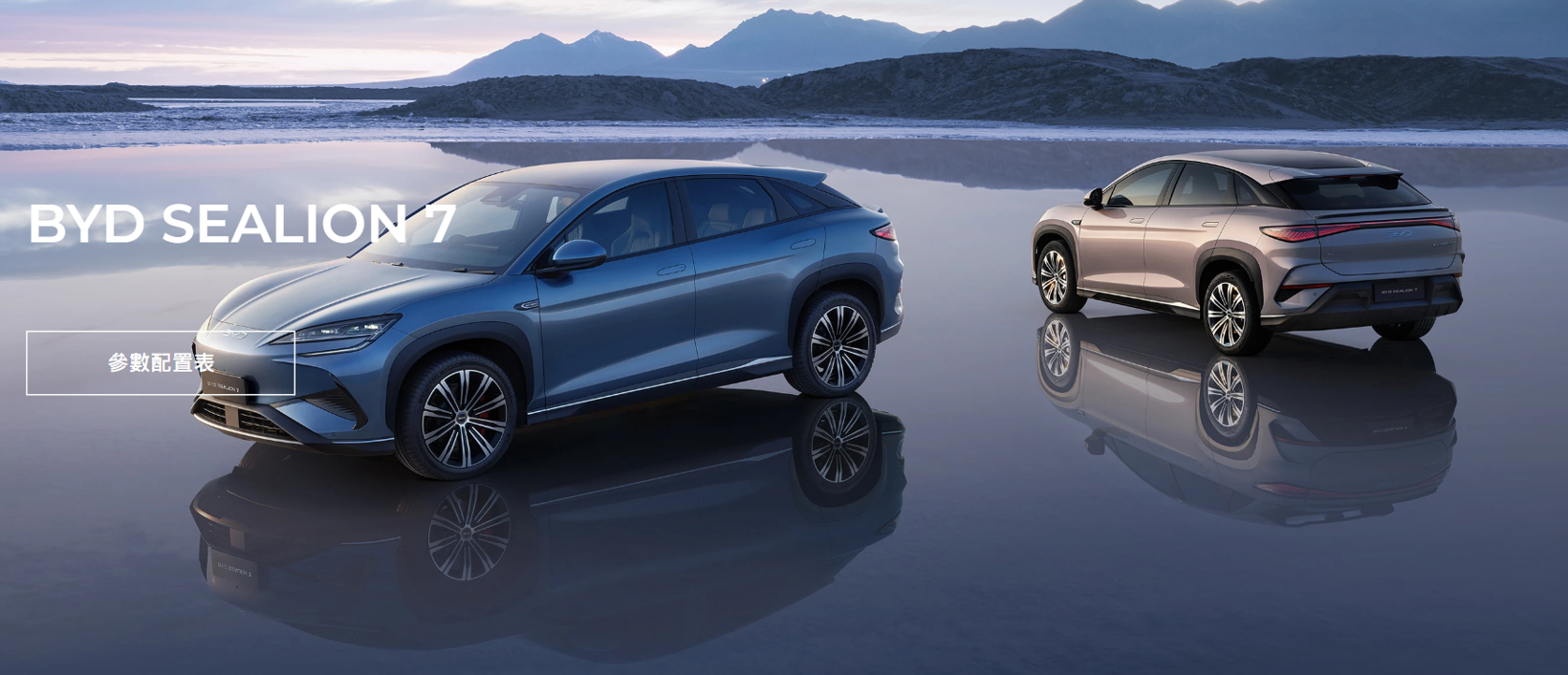
- BYD Sealion 07: Emerged as BYD’s new flagship with 1,236 deliveries, suggesting successful portfolio pivoting toward premium crossovers
- BYD M6: Surged to 976 units (up from February’s 523), capturing family-oriented demand for 7-seat MPVs
- Geely EX2: Delivered stable performance at 949 units, indicating steady distribution channel penetration
- BYD Atto 3: Collapsed to 672 units from February’s 3,700—a staggering 82% decline signaling potential demand saturation or aggressive inventory destocking
- Denza D9 (BYD subsidiary): Grew to 455 units (from 270), showing traction in the luxury MPV segment
Why Indonesia Matters to Global EV Supply Chains
Indonesia represents far more than a populous emerging market for Chinese OEMs. As the world’s largest nickel producer, the archipelago sits at the nexus of battery supply chain geopolitics. Both BYD and Geely have invested billions in local manufacturing facilities to circumvent ASEAN tariff barriers and secure nickel processing rights—critical for lithium-ion battery production.
The Nickel Connection
Western investors monitoring Financial Times reporting on critical mineral nationalism should note that Indonesia’s EV adoption curve directly impacts Chinese vertical integration strategies. When Jakarta’s sales volumes contract unexpectedly, it signals potential overcapacity in regional battery cell production planned around domestic demand forecasts.
Competitive Landscape Shifts
The Atto 3’s precipitous decline—despite overall market growth—suggests Indonesia’s early adopter phase is transitioning faster than anticipated. With pricing hovering around 500 million IDR ($30,000 USD), Chinese EVs face mounting competition from:
- Chery’s aggressive localization: Jaecoo’s CKD operations bypass import duties, undercutting fully-imported Chinese rivals
- Government incentive recalibration: Jakarta’s subsidy programs increasingly favor domestic production quotas over pure import volume
- Hybrid resilience: Traditional electrified vehicles maintain stronger market share than projected in Indonesia’s archipelago geography where charging infrastructure remains fragmented
See our analysis on BYD’s European tariff evasion strategies and pricing power for comparative insights on how Chinese OEMs navigate protectionist headwinds across different regulatory environments.
Investor Takeaways: Reading Between the Lines
The shift in model preference—from compact SUVs (Atto 3) to larger MPVs (M6, D9) and premium crossovers (Sealion 07)—indicates Indonesian consumers are maturing beyond entry-level EVs. This compression of the adoption curve mirrors patterns observed in China circa 2022, suggesting Southeast Asian markets may reach saturation points faster than Western investors initially modeled.
For portfolio managers, the critical metric isn’t March’s absolute decline, but whether April and May restocking volumes recover above 12,000 monthly units. If BYD’s Atto 3 fails to rebound above 2,000 units by Q2 2026, Chinese OEMs face a harder demand ceiling in Southeast Asia’s largest economy than their expansion narratives suggest.
Recommended Reading
For deeper context on how battery supply chains dictate automotive geopolitics, consider The Powerhouse: America, China, and the Great Battery War by Steve Levine. This investigative work chronicles the global race to dominate lithium-ion technology—essential reading as Indonesia’s nickel reserves become strategic leverage points for Beijing’s auto giants and Western policymakers alike.
Conclusion
While Indonesia’s March EV sales decline reflects seasonal factors, the underlying portfolio rotation at BYD and Geely suggests market maturation rather than pure cyclicality. Western investors should treat this as a canary in the coal mine for Chinese EV export sustainability: if localization advantages can’t prevent 80% monthly drops in flagship models, Southeast Asia’s ‘Blue Ocean’ may be redder than advertised.