Tesla Model S and Model X Discontinued: What It Means for the Future of EV Autonomy

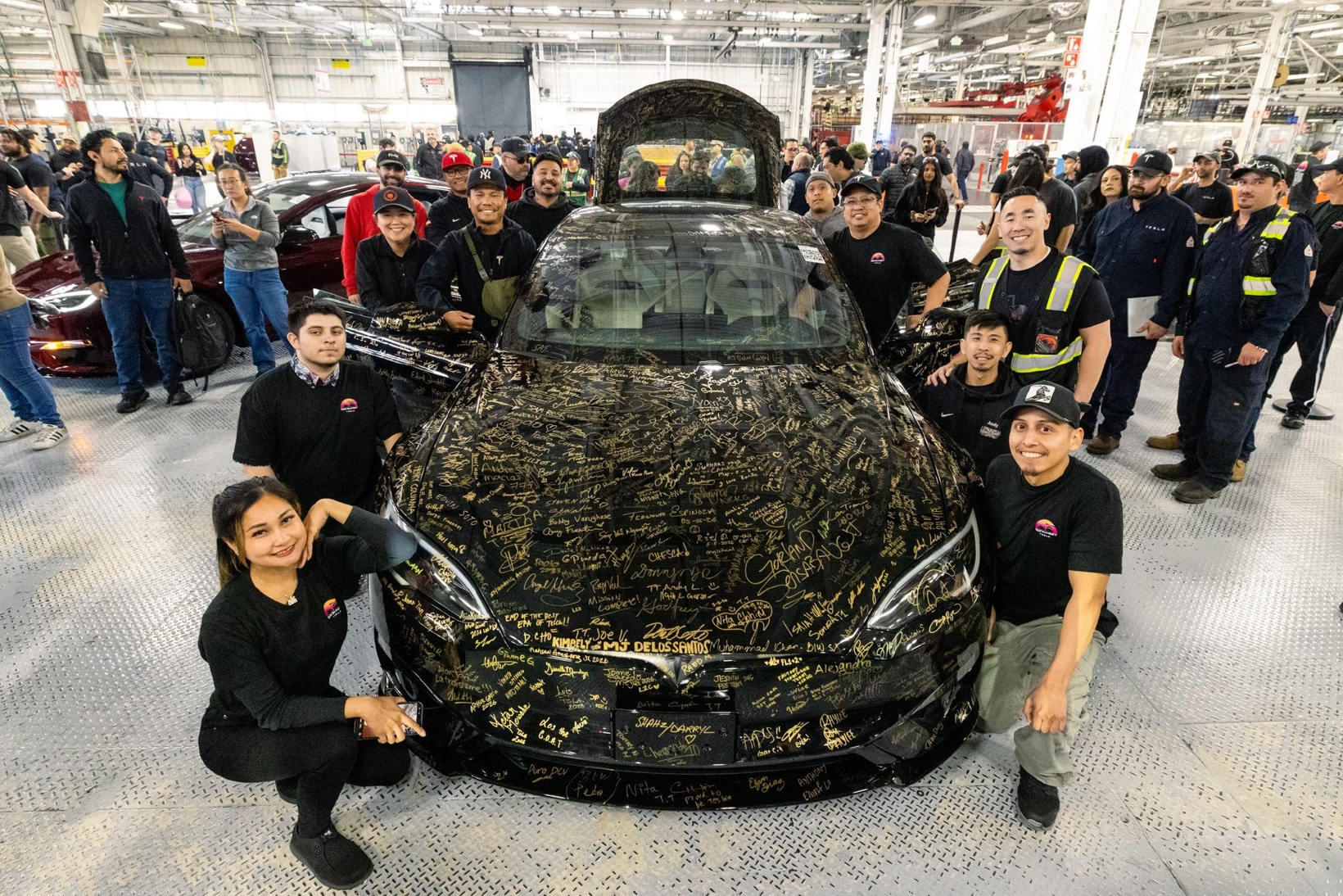
Tesla has officially ended production of its flagship Model S and Model X after 14 and 11 years, respectively. The last vehicles rolled off the line at the Fremont factory on May 10, 2026. This move, anticipated since Elon Musk’s Q4 2025 earnings call, signals a strategic pivot toward next-generation platforms that promise advanced autonomy and chip integration—a critical inflection point for Western investors and auto industry professionals.
Why Tesla Killed Its Flagships
Sales Collapse
In 2025, Tesla delivered 1.636 million vehicles globally, but Model S and X accounted for only about 30,000 units (less than 2% of total). In China, annual sales dipped below 2,000 units. The models’ aging 400V architecture, unchanged since 2012, could not compete with rivals like the Porsche Taycan and Mercedes EQS, which offer 800V platforms. As Electrek reported, Tesla’s OTA updates could not mask the hardware gap.
Competitive Pressure
Chinese EV makers like NIO, Xpeng, and Li Auto have iterated rapidly, offering advanced driver-assistance systems (ADAS) and luxury features at competitive prices. Meanwhile, Tesla left the S and X largely untouched, making them ‘feature phones in a smartphone era.’
What Comes Next: The Next-Gen Tesla Platform
The discontinuation clears production capacity at Fremont (100,000 units/year) for Tesla’s next-generation platform, internally codenamed ‘Redwood.’ This platform is expected to feature a radical ‘unboxed’ manufacturing process, 48V low-voltage architecture, and a full self-driving computer (HW5) with integrated AI chips. According to Reuters, the new platform could halve production costs and enable Level 4 autonomy by 2027.
Implications for Western Investors
- Autonomy Race: Tesla’s pivot to a dedicated autonomous platform could accelerate the timeline for robotaxi services, challenging Waymo and Cruise.
- Supply Chain Shifts: Suppliers of legacy 400V components may lose business, while those with 800V+ and chip integration capabilities stand to gain.
- Market Positioning: By abandoning its high-end models, Tesla signals that its future lies in volume and autonomy, not luxury—a bet that could redefine the entire EV market.
For a deeper dive into how Chinese OEMs are shaping ADAS standards, see our analysis on China’s New ADAS Regulation and Its Global Impact.
Conclusion
The end of Model S and X is not just a farewell to iconic vehicles; it is a strategic reset. For Western investors, the key takeaway is clear: Tesla is doubling down on autonomy and cost efficiency, leaving the luxury segment to competitors. The question now is whether this bet will pay off—or leave Tesla exposed in a market that still values premium branding.