Xiaomi SU7 Overtakes Tesla Model 3: Analyzing the Shift in China’s Premium EV Market
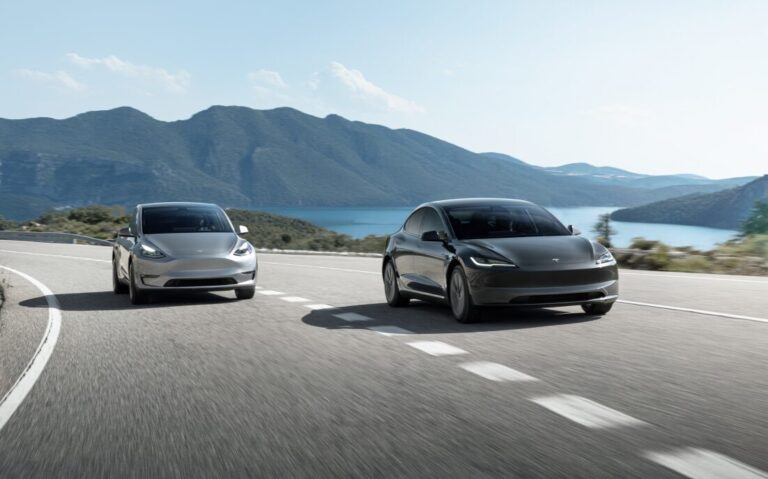
Is the reign of the Tesla Model 3 in China’s premium electric sedan segment officially over? For Western observers tracking the electric vehicle landscape, the answer coming out of 2025 is a resounding, and perhaps shocking, yes. For the first time since 2019, the venerable Model 3 has been dethroned by a formidable domestic challenger: the Xiaomi SU7. This is not just a minor sales fluctuation; it signals a fundamental shift in brand perception and consumer trust within the world’s largest EV market.
Xiaomi SU7 Overtakes Tesla Model 3: Analyzing the Shift in China’s Premium EV Market
According to data from the China Passenger Car Association (CPCA), Xiaomi delivered a staggering 258,164 units of its SU7 sedan in 2025, besting the Tesla Model 3’s 200,361 deliveries by nearly 30%. This monumental upset—achieved less than two years after the SU7’s March 2024 launch—forces the global automotive industry to re-evaluate the speed and capability of new Chinese entrants.
The Data Behind the Dethroning: Why the SU7 Won the Year
The raw numbers confirm a decisive victory for Xiaomi in the premium sedan category. However, an expert analyst knows that volume alone doesn’t tell the whole story. The success of the Xiaomi SU7 sales record is built on a calculated combination of price, technology, and aggressive market timing.
Pricing and Perceived Value
The most immediate lever Xiaomi pulled was aggressive pricing. The SU7 launched with a starting price roughly 9% lower than the competing Model 3, making it immediately attractive in a price-sensitive market.
- Price War Tactic: Under-cutting the established leader positioned the SU7 as the superior ‘value for money’ option.
- Tesla’s Reaction: In response to pressure, Tesla in early 2026 implemented a ‘seven-year ultra-low interest’ financing plan, which Xiaomi quickly matched for its SUV, the YU7, showing direct competitive reaction.
Technological Specification Advantage
Beyond the sticker price, the SU7 offered specifications that resonated deeply with the tech-savvy Chinese consumer, often exceeding the base Model 3’s offering at the time of launch.
- Range Edge: Early SU7 models offered a superior CLTC range (around 700km) compared to the Model 3’s equivalent, a critical factor for range-anxious buyers.
- Smart Features: The SU7 democratized high-end hardware, including standard LiDAR and advanced driver assistance systems in base trims, a strategy noted by industry observers.
Tesla’s Troubles: A Broader Market Contraction
This shift is not isolated to the Model 3. Tesla’s overall performance in China saw a contraction in 2025, delivering 625,698 vehicles, a year-on-year decline of 4.78%. The highly successful Model Y, Tesla’s volume driver, also saw a significant drop in deliveries (down 11.45%).
For Western investors, this means the narrative of Tesla’s inevitable global dominance is facing its first major multi-segment challenge from a non-legacy, *tech-first* OEM. See our analysis on the growing market share of Chinese EV manufacturers.
Competitive Scrutiny and Industry Response
The impact of the SU7’s success is already rippling across Detroit and Europe. Reports indicate that Ford CEO Jim Farley publicly noted intense interest and formed a special team to study the competition, while Ferrari was reported to have purchased an SU7 for technical research. This shows that the threat is recognized at the highest levels of the legacy auto industry.
However, it is important to note that Xiaomi has faced turbulence, including consumer backlash over specific features and safety concerns following an accident, which led to tighter regulatory oversight.
What’s Next: Xiaomi’s Expansion and Tesla’s Defense
Xiaomi is clearly not resting on its sedan success. Its first SUV, the YU7, is now in the market, directly aiming at the Model Y’s dominance. Furthermore, the company plans an even broader lineup by 2026.
Conversely, Tesla has emphasized that the Model 3 remains a recognized product, focusing on iterative updates and localization strategies to defend its position.
This battle is a proxy war for the future of automotive value: is it hardware-first (like Tesla historically), or is it software, ecosystem integration, and digital experience (Xiaomi’s strength)?
Recommended Reading for EV Analysts
To better understand the ecosystem that bred this disruption, we suggest: ‘The Phoenix Project: A Novel about IT, DevOps, and Helping Your Business Win’ by Gene Kim, Kevin Behr, and George Spafford. While not directly about cars, its lessons on IT flow and organizational speed are directly applicable to understanding Xiaomi’s agility against established auto giants.
For Western consumers and investors, the takeaway is clear: Chinese EV manufacturers are not just competing on price; they are setting new benchmarks for digital integration and speed of iteration, directly challenging established global leaders in their core segments. The race for the premium EV crown has a new, highly aggressive frontrunner.